
The living soil is not a resource to be owned. It is a commons to be stewarded.
Lightwyn exists to make that real — to rebuild the biology of soil, and to keep the method and the knowledge in the open rather than locked away.
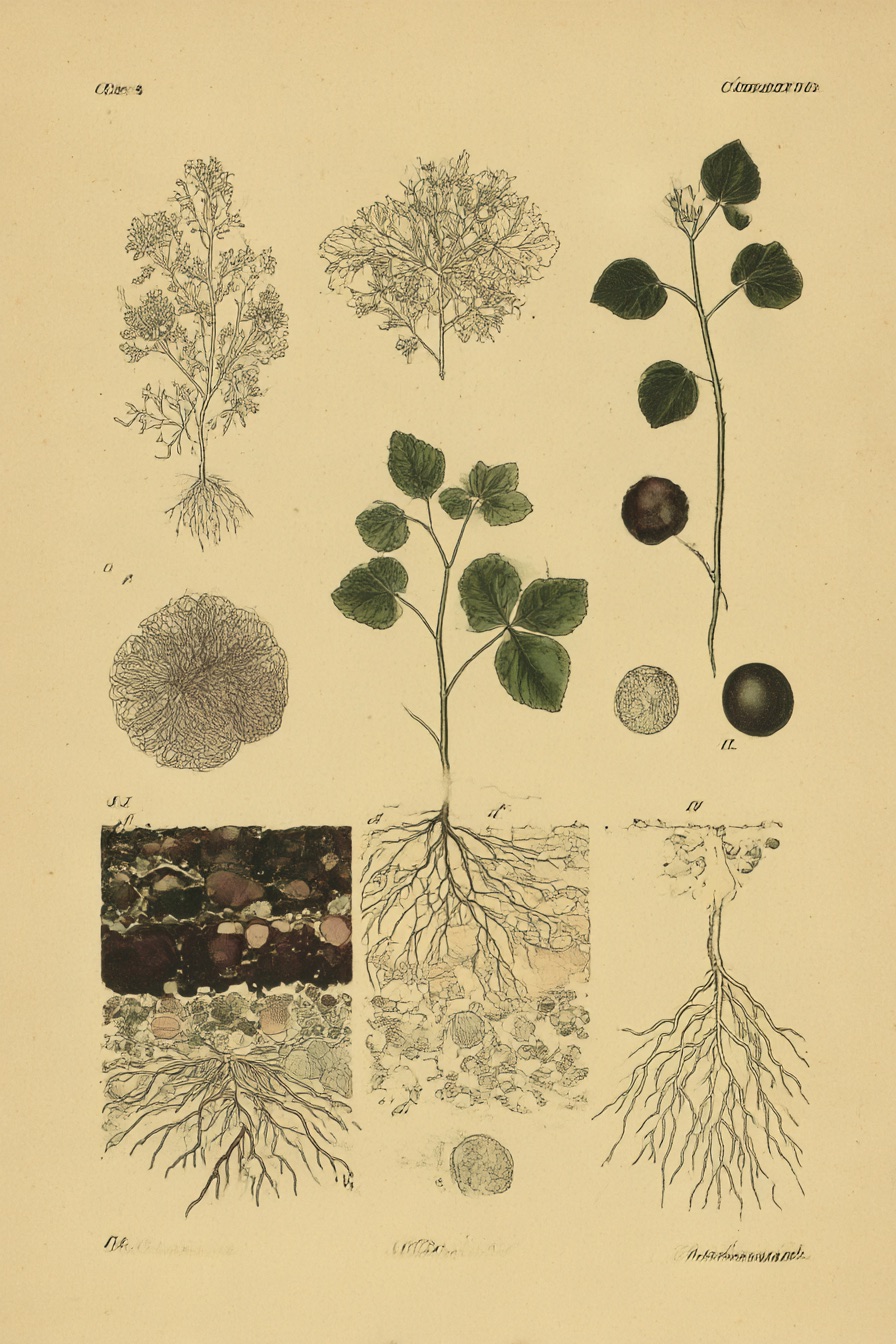
Start with the soil
A long-standing idea in ecological agriculture is that insects and disease tend to take the weak, poorly-fed plant first — which points back at nutrition, and nutrition back at the soil biology that delivers it. We don't offer that as a pest treatment. What we do is treat the cause underneath it: Lightwyn rebuilds the living soil that decades of synthetic inputs have stripped out, so a farm can depend less on those inputs season after season.
Soil as a commons
Soil that is alive belongs, in a real sense, to everyone downstream of it — the people who eat from it, the water that runs through it, the generation that inherits it. Lightwyn is built to steward that, not to enclose it — to keep the method and the knowledge working in the open, not locked away.
I could name the problem. I couldn't fix it.
In 2012 I read the court records of farmers losing their land to Monsanto — and judges mocking the idea that clean soil, water, and air are a right. I stopped eating. What began as a reckoning with my own consumption became a 47-day hunger strike.
It had no plan behind it. But it turned me from protesting the problem to building the answer: a short-lived co-op farm in Colorado, a move to Georgia, and in 2015 a mentor who gave me a real method. That line runs straight to here — living soil, restored at scale, put back in the hands of everyone downstream of it.
When the tractor replaced the draft horse, the manure that had built soil for generations disappeared. What the chemical companies sold next, they called "synthetic manure" — and farming has carried that dependency ever since. Lightwyn's method runs the other way. It is rooted in empirical knowledge carried by the mentor who taught him, and built out by Devison, sole inventor, over fourteen years of practice.
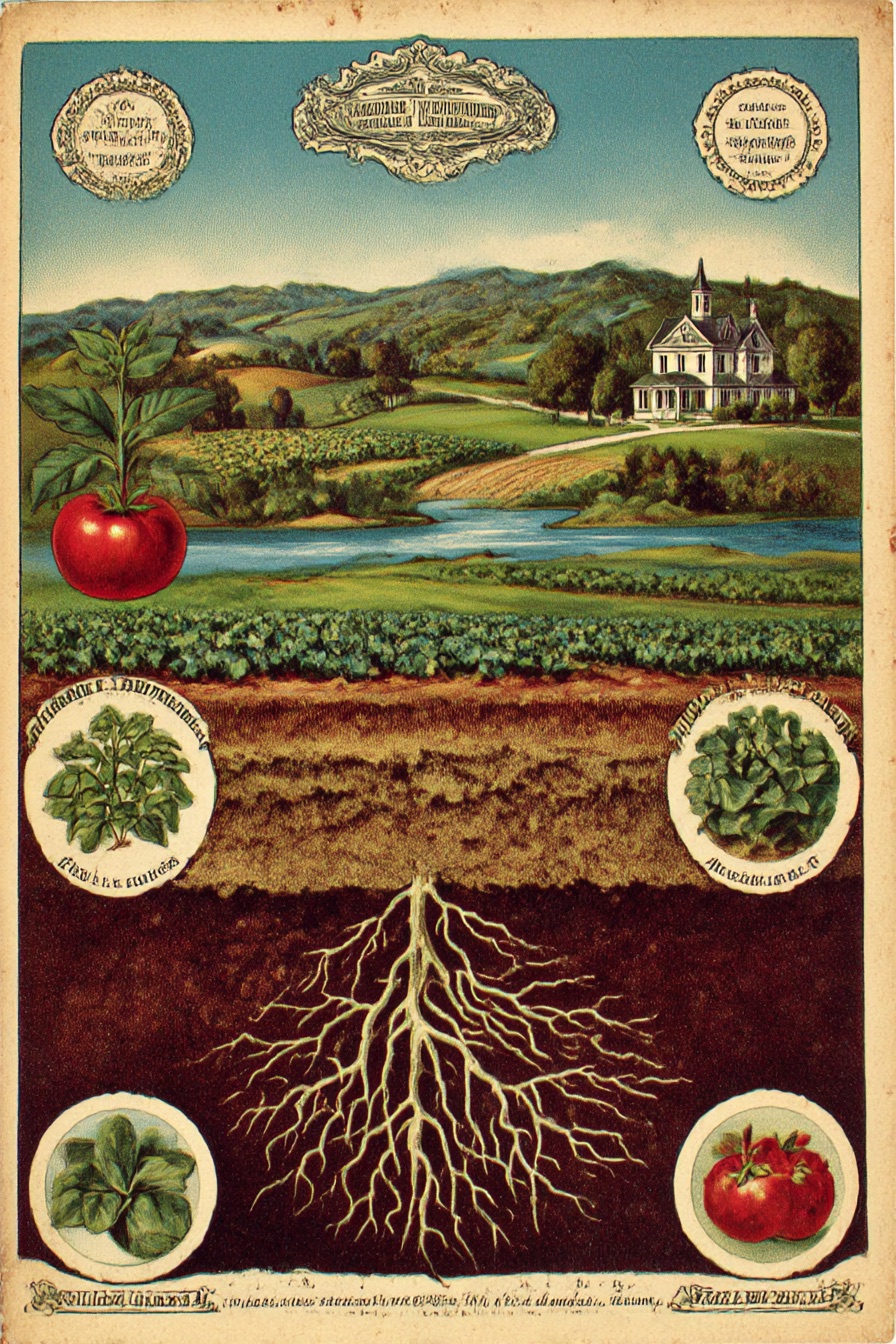
Work with Lightwyn
Three ways in — investors, partners, and field operators.